 The Breed Book
Best Dog Ramps for Dachshunds 2026: IVDD-Safe Picks
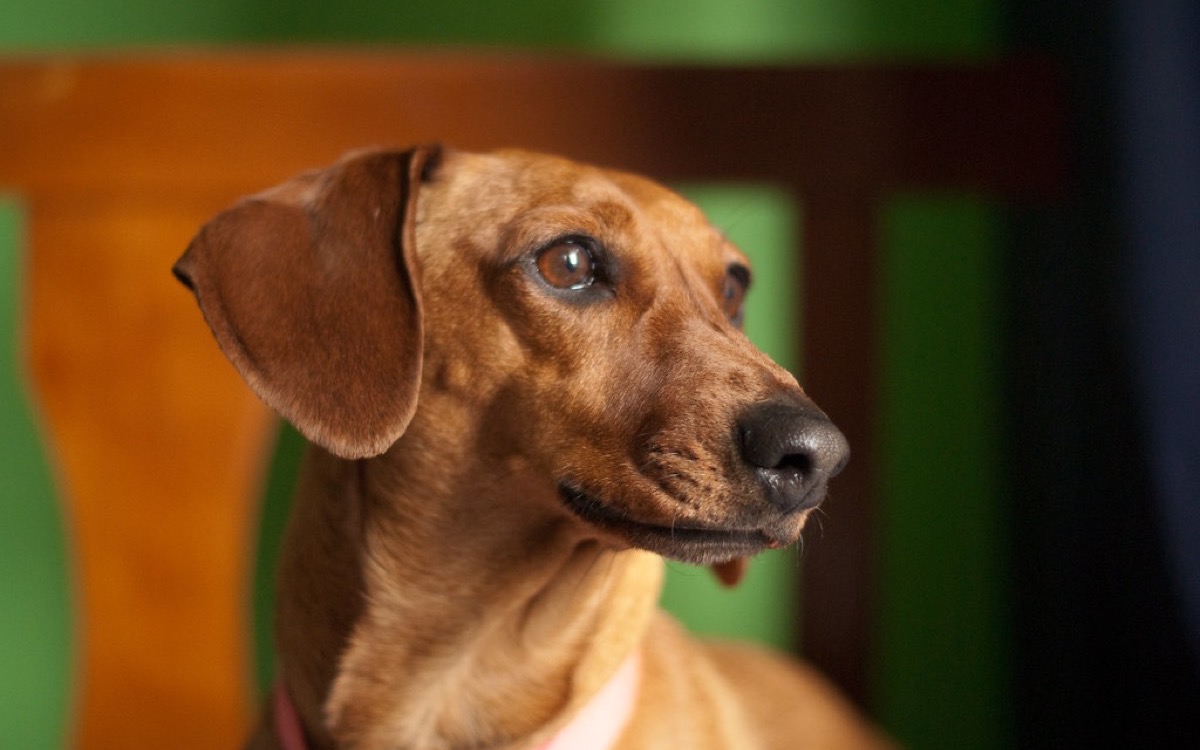
If you own a dachshund, a ramp is not a gadget, it is one of the highest-value purchases you can make for their long-term health. Jumping on and off furniture is one of the single biggest controllable risk factors for IVDD, the spinal condition this breed is so prone to. A good ramp removes that risk almost entirely. Here is what makes a ramp safe for a long back, and our top picks.
Why a Dachshund Needs a Ramp
Picture the physics. When a dachshund leaps off a sofa, their whole body weight lands through a long, low spine that is already under more mechanical stress than a normal dog’s. Repeat that several times a day, for years, and you are loading the discs over and over. A single bad landing can be enough to rupture a disc.
A ramp converts that high-impact jump into a gentle walk up or down a slope. No sudden jolt, no twisting landing. For a few tens of dollars, it is one of the cheapest forms of spine insurance you can buy, and it pays for itself many times over if it prevents even one back episode (which can run into the thousands).
What Makes a Ramp Safe for a Long Back
Not every ramp suits a dachshund. The features that matter:
- A low incline. Aim for roughly a 20 to 30 degree slope. Too steep and your dog has to brace and scramble, which strains the back. A longer ramp gives a gentler slope for the same height.
- Strong traction. A carpeted or textured, non-slip surface so your dog never slides. Slipping is both scary and dangerous for the spine.
- Stability. It must not wobble or shift when the dog is on it. Rubber feet and a solid frame matter, especially for nervous dogs.
- The right height. Match the ramp to the furniture. Some ramps are height-adjustable, which keeps the incline gentle whether it serves a low sofa or a tall bed.
- Portability (optional). A ramp that folds with a carry handle is one you will actually use daily, and can move between the bed, the sofa, and the car.
Steps versus ramps: stairs are better than letting a dog jump, but a ramp is usually gentler still, because climbing steps repeatedly is its own small impact. For a high-risk breed, a low ramp is the safest default.
Where to Use One
Most owners end up wanting a ramp in more than one place:
- The bed. Often the tallest jump in the house, and the one dogs do last thing at night and first thing in the morning when they are stiff. A priority.
- The sofa. The most frequent jump of the day. A folding ramp that tucks beside the couch works well.
- The car. Getting in and out of a vehicle is a big height for a short dog. A longer car ramp protects the back on every trip.
How to Train Your Dachshund to Use a Ramp
Dachshunds are stubborn, so do not expect instant adoption. Make it positive and easy:
- Start with the ramp flat or at a very shallow angle on the floor and let your dog walk across it for treats.
- Gradually raise it to the furniture height over several short sessions.
- Lure them up and down with treats, rewarding every success, and never force or rush them.
- In the meantime, lift your dog rather than letting them jump, so they do not practise the bad habit while learning the ramp.
Most dogs get it within a week or two of short, upbeat sessions. Consistency is everything: if jumping is sometimes allowed, the ramp will not stick.
Pair the ramp with the rest of a back-friendly setup: a supportive bed, a harness instead of a collar, and the habits in our IVDD prevention guide.
Frequently Asked Questions
Do dachshunds really need a ramp?
For a breed where up to one in four dogs develops IVDD, and where jumping is a leading trigger, a ramp is one of the most sensible preventive buys you can make. It is not strictly mandatory, but veterinary consensus strongly favours preventing repetitive jumping, and a ramp is the easiest way to do that.
Are ramps or stairs better for dachshunds?
A ramp is usually gentler, because the dog walks a smooth slope instead of taking repeated small impacts up steps. Both beat jumping, but for a high-IVDD-risk breed, a low-incline ramp is the safest default.
What incline should a dachshund ramp be?
Aim for roughly 20 to 30 degrees. Steeper than that and your dog has to brace and scramble, which strains the back. A longer ramp, or a height-adjustable one, keeps the slope gentle.
My dachshund refuses to use the ramp. What do I do?
Go slower. Start the ramp flat on the floor, reward every step across it with treats, and only raise the height gradually over several short sessions. In the meantime, lift your dog instead of letting them jump, so they are not rehearsing the very habit you are trying to replace.
Our top picks
Some links below are affiliate links; we may earn a small commission at no cost to you. We only recommend gear we would use ourselves.
DoggoRamps Small Bed Ramp
Invented for a dachshund with IVDD. Solid hardwood, a gentle low incline, side rails, a landing platform, and proper grip. The made-for-the-breed pick if you want the safest, sturdiest option for a bed.
Pet Gear Short Bi-Fold Ramp
Lightweight, folds in half with a carry handle, and works for beds, sofas, and the car. Sturdy, versatile, and easy to move around the house. The best all-rounder for most homes.
TRIXIE Short Safety Ramp
Affordable, with a non-slip tread and rubber feet, and it supports surprisingly heavy dogs. A no-fuss ramp that does the job without the premium price.
PetSafe CozyUp Folding Ramp
A longer, sturdy folding ramp built for getting in and out of cars and SUVs. The gentler incline over a taller height and a high-traction surface make it ideal for vehicles.